A Clear Ordering Roadmap for German Clubs
Ordering custom teamwear internationally can be straightforward when the club and manufacturer work from one approved specification. German football clubs usually need more than a shirt: a complete programme may include home and away match kits, goalkeeper uniforms, training tops, tracksuits, socks, bags and staff wear.
Sky Zone Impex works with clubs, academies, schools, retailers and private-label buyers from its manufacturing base in Sialkot, Pakistan. The safest process is to define the range, approve the design and measurements, confirm the player roster, inspect production and agree the export terms before dispatch.
This guide gives German buyers a practical route from the first enquiry to a repeatable club supply programme.
1. Define the Complete Club Programme
Start by listing every product and quantity. Separating match, goalkeeper, training and travel products makes pricing and production planning more accurate. It also helps the club decide which items are essential for the first order and which can be added later.
A coordinated programme does not require every item to look identical. Home and away kits need strong contrast, goalkeeper colors should remain clearly different, and training garments can use simpler graphics while still sharing the same crest and accent colors.
- Home shirt, shorts and socks
- Away shirt, shorts and socks
- Goalkeeper kit and gloves
- Training shirts, shorts and bibs
- Full-zip or half-zip tracksuits
- Coach wear, backpacks and team bags
2. Send a Production-Ready Club Brief
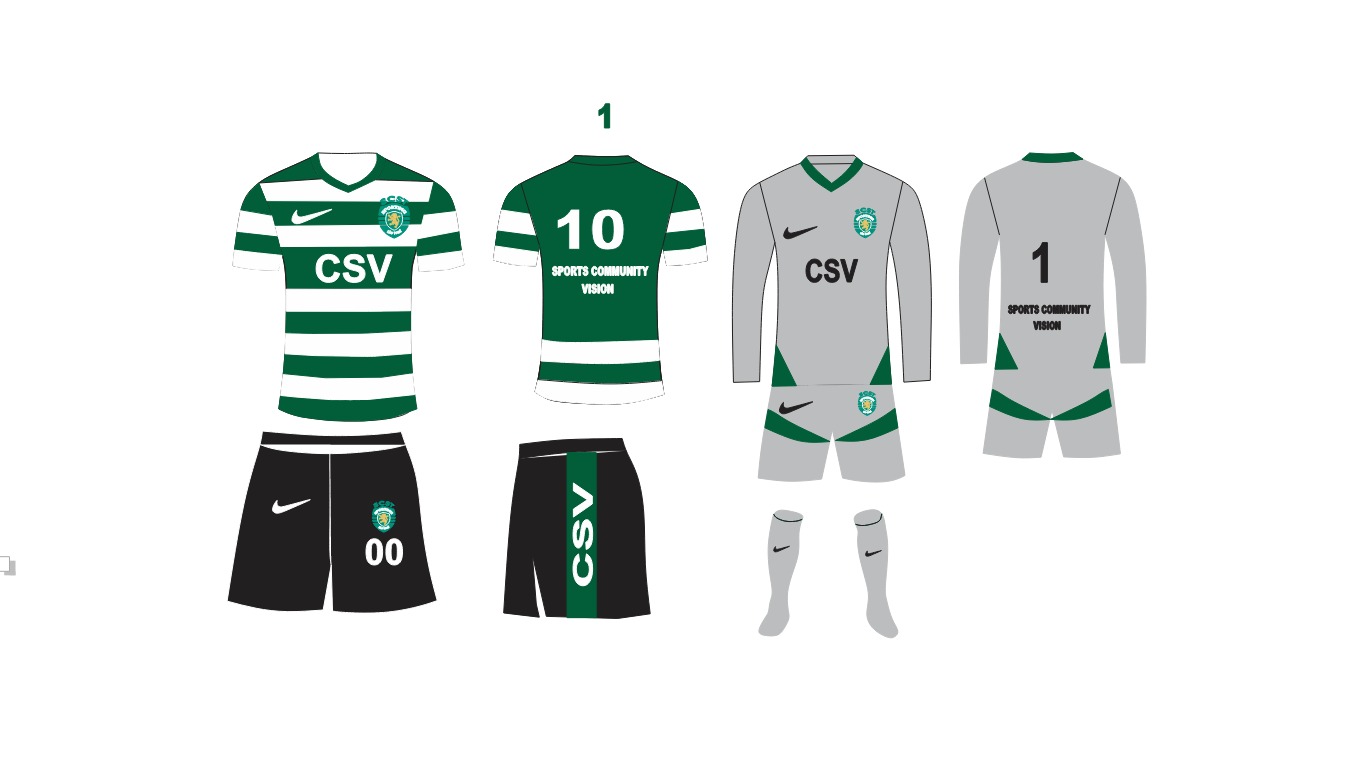
A useful brief includes the club crest, official colors, sponsor files, preferred collar, reference designs, quantities, destination and target date. Vector artwork is best for crests and sponsors because it scales cleanly. If only a low-resolution image is available, mention that early so artwork preparation can be discussed.
Reference pictures should communicate direction, not invite an exact copy of another club's protected design. Identify the specific features you like—such as diagonal movement, geometric texture, sleeve pattern or collar shape—so an original concept can be developed for your club.
The approval mockup should show front, back and relevant side or sleeve views. Check every logo, sponsor position, color, name style and number font before giving written approval.
3. Confirm Fabric and Decoration
For sublimated football kits, lightweight polyester performance fabrics are commonly selected because graphics become part of the material and do not create a heavy surface layer. Mesh or engineered ventilation panels can improve airflow, while interlock structures provide a smooth appearance and dependable print surface.
Tracksuits, warm-ups and bags require different materials and construction. Ask for the proposed composition, approximate GSM, stretch, finish and decoration method for each product. Embroidery, woven badges, heat transfers and sublimation each create a different appearance, cost and production requirement.
A club should approve fabric and color under normal lighting before bulk production, especially when matching an established identity. Screen colors are useful for design communication but are not a complete substitute for a physical material reference.
4. Build an Accurate EU Size Plan
Size labels vary between manufacturers, so German clubs should compare finished-garment measurements rather than relying only on S, M or L. Ask for chest width, body length, shorts waist and inseam measurements, then compare them with garments that already fit the squad well.
Youth, adult and women's fits should be treated as separate grading groups. Goalkeeper garments may also require additional room or a different pattern. For a new programme, a size set or approved sample can reduce fit uncertainty before the club submits the final quantity breakdown.
Create one roster with a single row for each player and columns for name, number, shirt size, shorts size, sock size and goalkeeper status. The club should check spelling and number duplication before personalization begins.
5. Request a Detailed Quotation
A useful quotation should connect price to an exact specification. Confirm what is included: artwork setup, names and numbers, labels, individual packing, samples, shipping and any optional accessories. Minimum order quantity can vary by product and customization, so it should be confirmed for the chosen range rather than assumed from another listing.
German buyers should also agree the quotation currency, payment stages, production basis, packing method and Incoterm. Import VAT, customs duties and clearance responsibility depend on the shipment arrangement; these points should be documented before payment rather than decided after the goods arrive.
- Product and quantity breakdown
- Fabric and decoration specification
- Personalization and private-label details
- Sample cost and approval plan
- Production estimate after approval
- Shipping method, Incoterm and destination
6. Approve a Sample When Needed
A physical sample is valuable when a club is using a new pattern, fabric, fit or construction. Review the sample for measurements, movement, collar comfort, seam quality, color, crest detail and print alignment. Goalkeeper and women's fits should be tested on the intended wearer where possible.
Feedback should be written and measurable. Instead of saying that a sleeve feels wrong, state the required measurement change and identify the size tested. Once corrections are agreed, the final sample or written specification becomes the reference for bulk production.
7. Lock the Roster and Production Approval
Before production starts, approve the final mockup, size chart, quantity table, roster, labels, packing and delivery details. Late changes to player names, numbers or sizes can create errors or delay the schedule, so the club should nominate one person to issue the final approval.
Production time begins from the agreed commercial and design approval point, not necessarily from the first enquiry. Seasonal deadlines should include time for artwork, sampling if required, bulk manufacturing, inspection, export handling and transit.
8. Quality Control, Packing and Delivery to Germany
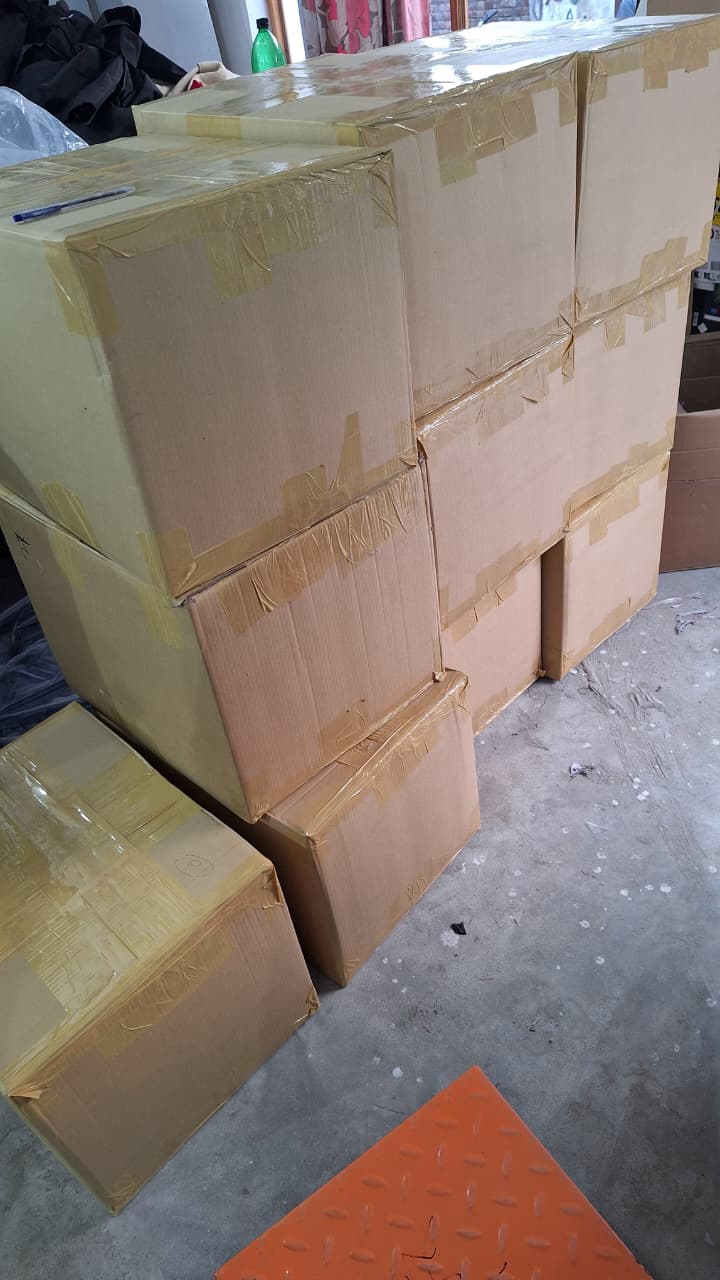
Bulk inspection should compare the finished goods with the approved specification. Practical checkpoints include fabric and color, panel alignment, stitching, measurements, crest and sponsor placement, roster accuracy, labels, quantities and packing.
For export, the buyer and supplier should confirm carton marks, packing lists, commercial documents, shipping address and contact details. Express courier can suit samples or smaller urgent orders, while larger programmes may use another freight method. The best option depends on volume, deadline and total landed-cost planning.
Keep copies of the approved artwork, measurements, roster and shipping documents. These records make customs communication and future reorders easier.
9. Make Reorders Easy for the Next Season
Clubs often need replacement garments, new-player kits or an additional youth squad after the first delivery. Save the product code, approved artwork version, color references, fabric, size chart and personalization format. Ask whether a small repeat order is possible and whether the same material will remain available.
Review the first season before placing the next order. Record which sizes moved fastest, whether the club needs more goalkeeper options and which training items players used most. A documented programme becomes faster and safer to repeat than starting from zero every year.
Start Your German Club Teamwear Order
Send Sky Zone Impex your club crest, colors, product list, approximate quantities, size groups, delivery city in Germany and required date. We can review the brief and prepare the next quotation and design steps for approval.
Whether you manage a local Fußballverein, youth academy, school team, retailer or private-label brand, clear specifications and documented approvals are the foundation of a reliable custom teamwear order.
- 1. Send the club brief and quantities
- 2. Select products, fabrics and customization
- 3. Review mockups and measurements
- 4. Approve a sample when required
- 5. Confirm roster and bulk production
- 6. Inspect, pack and dispatch to Germany
Buyer FAQ
Can German clubs customize every part of the football kit?
Yes. Club colors, crest, sponsors, patterns, collars, names, numbers, labels and packing can be prepared according to the approved specification and production method.
Can we order youth, adult and women's sizes together?
Yes. Provide a quantity breakdown for each fit and compare the supplied finished-garment measurements with garments that already fit your teams.
Can we approve a sample before the full order?
Yes. Sampling can be arranged when required, especially for a new fit, fabric or construction. Sample cost and timing should be confirmed in the quotation.
How long does custom teamwear production take?
Timing depends on the product range, quantity, personalization, material availability and sampling. A production estimate is confirmed after the final specification and approvals.
Does Sky Zone Impex ship custom football kits to Germany?
Yes. Worldwide export shipping is available. The shipping method, transit estimate, packing and delivery terms are confirmed for the destination and order size.
Who pays German import VAT and customs charges?
Responsibility depends on the agreed Incoterm and shipment arrangement. Buyers should confirm duties, import VAT, clearance and landed-cost responsibility before placing the order.
Can a club reorder kits for new players later?
Repeat orders may be possible. Keep the approved artwork, fabric, measurements and roster format, and confirm the repeat-order quantity and material availability with the supplier.